
CircuBlog

Circulove’s Guide to Natural and Effective Skincare. Discover the secrets of fermented skincare and expert insights on why fermentation is the future of beauty.
In skincare, fermentation is typically achieved using lactic acid bacteria or yeasts. However, there are quality differences in how fermented skincare is manufactured.
Many brands simply add individual, pre-fermented ingredients to a formula, which only enhances the effect of that specific component. You can typically find these on the INCI (ingredients) list under terms like "ferment," "filtrate," or "lysate."
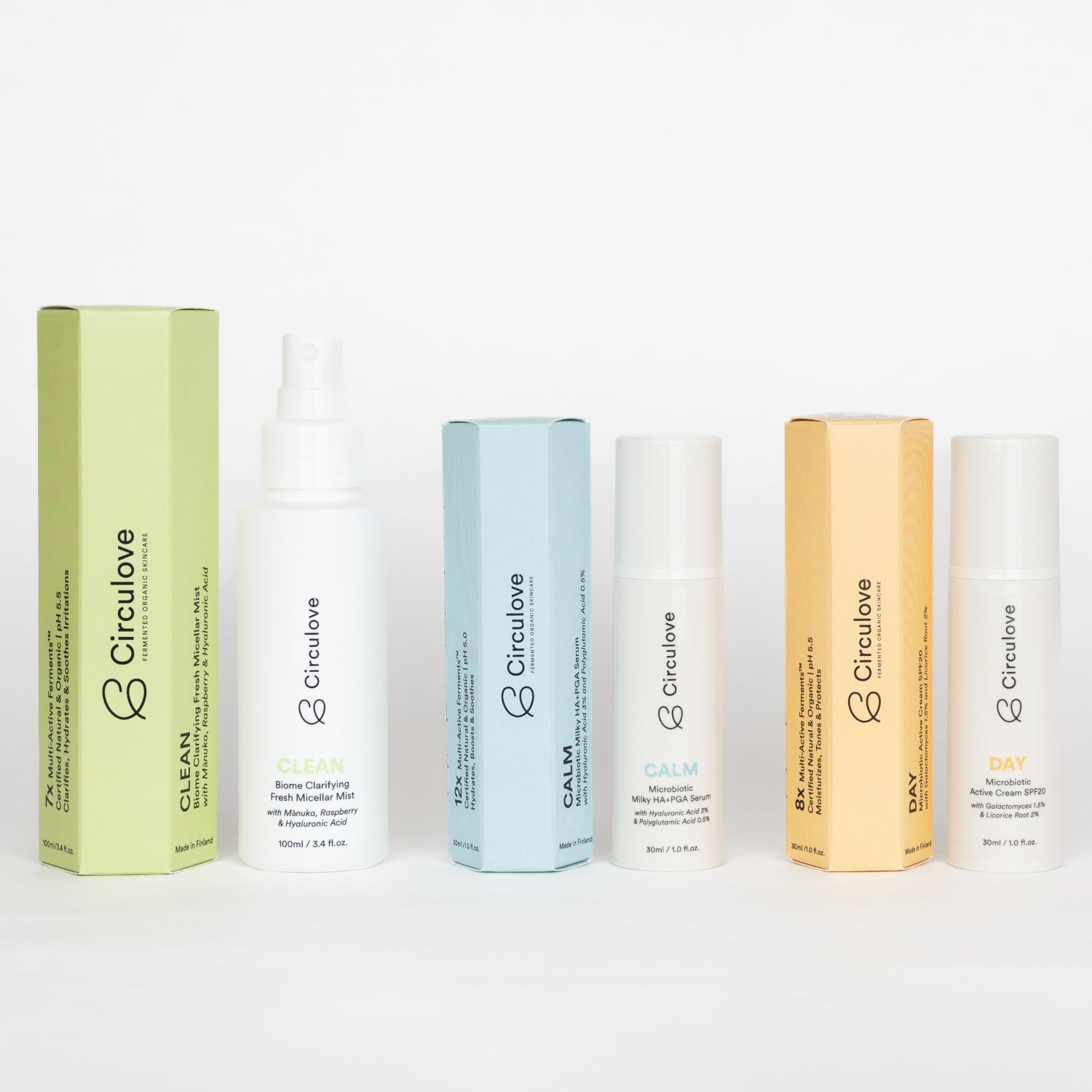
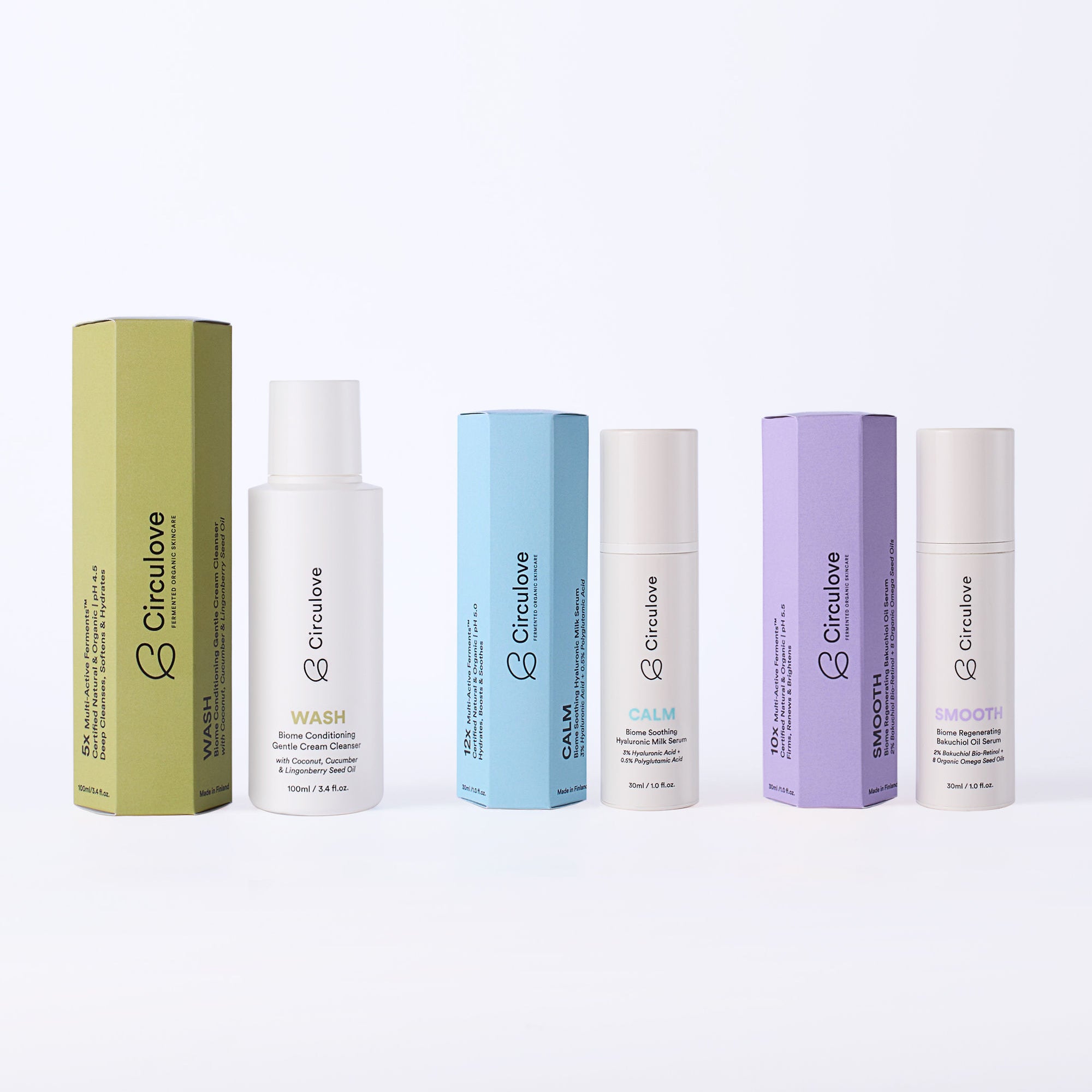
Premium ranges, such as the Finnish brand Circulove, ferment all their active ingredients. Circulove’s signature Nordic "cool-fermentation" method ensures full nutrient density and optimal tolerance even for the most sensitive skin. While Circulove clearly marks its fermented actives in the INCI list, it is worth noting that the new bioactive compounds created as a result of the fermentation process do not always appear separately on the label.

Menopause is not just a passing phase; it is a major biological turning point that changes the needs and functions of your skin for the rest of your life. The drop in estrogen levels directly impacts the skin's ability to produce collagen, retain moisture, and maintain a protective microbiome.
The Finnish Circulove skincare line was specifically developed to meet these challenges. We utilize advanced bio-fermentation, which optimizes the absorption of active ingredients precisely when hormonal changes put the skin to the test. Read our expert tips on managing hormonal skin changes during menopause and beyond.
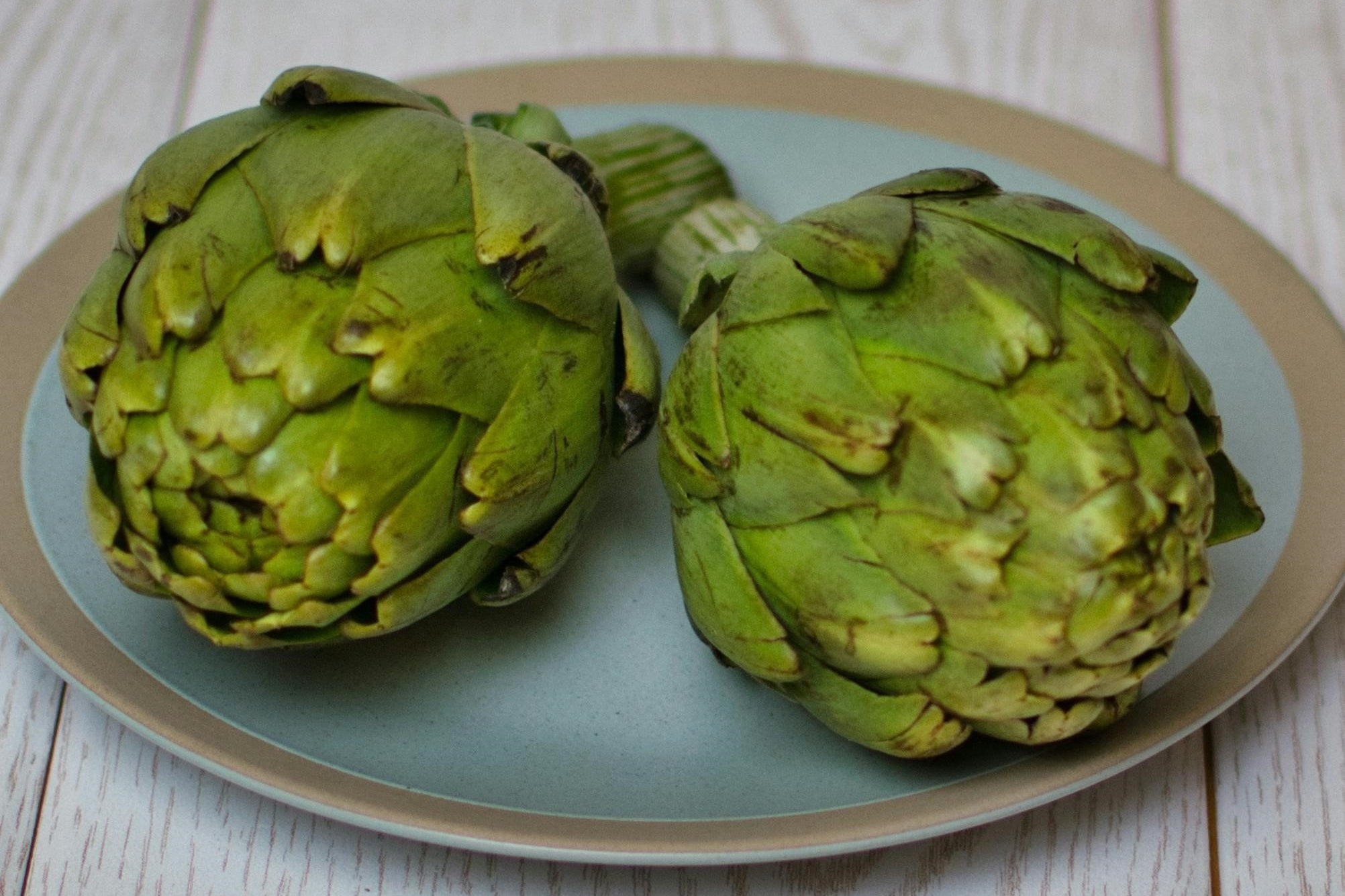
Get ready to meet galactomyces fermented filtrate, artichoke and licorice root extract, the fermented powerhouses transforming your skin!

Microbiome skin care is one of the big skin care trends of recent times. What does it mean and what is good to know about it? We asked the experts at Circulove.

Fermentation has already gained great popularity in natural cosmetics. Almost every quality brand has included individual fermented ingredients in their products.
Simply put, in fermentation the ingredients are chopped into a smaller form, allowing the skin to make better use of the active components. As an outcome, also new compounds are formed, such as skin-treating amino acids, fatty acids, peptides, vitamins, probiotics, postbiotics, and protecting antioxidants. Fermentation increases the efficiency of natural cosmetics.